First of all, let me say that I am aware there are fathers and sons who participate in equestrian sport and I am envious of those families. However, the overwhelming majority of us are more familiar with the mom and daughter scenario so that is the one I will address.
I myself have a husband and two sons who DO NOT PARTICIPATE IN EQUESTRIAN SPORTS. I actually cannot emphasize that enough. I require them to attend one show per season and I try to make it a show that is close by and exciting, usually a full event with some cross country jumping to watch. This past summer I also made all of them volunteer at the horse trials our barn hosts which did not turn out to be a total disaster though my track running son sprained his ankle and blew much of his season! Likewise, Elizabeth and I attend at least one Cross Country meet or track meet per boy per season. Everyone seems pretty content with this arrangement.
In the typical situation such as ours, one must always be thinking about maintaining the balance and familial support for a sport that seriously skews allocation of resources. My daughter's sport - eventing - takes a huge chunk out of both our family financial resources and my time since I am her groom, Pony Club sponsor and horse taxi driver. While I drop my sons off for karate and they participate in sports at school, I take Elizabeth to the barn 6 days a week and sit there while she does her thing. Eventually, and quite soon really, she will be old enough to drop off at the barn but the distance means there is little point in trying to go home and come back again. Most weekend days we are out doing something with Pony club or off at a show so the boys are on their own and my husband drives them around, cooks, grocery shops, does a terrible job with my laundry. And the cost of horses, board, shoes (horse shoes, known around the barn as Jimmy Choos because wishful thinking isn't a crime), saddles and lessons means I can never buy enough running or karate gear to make everyone even so I just let the boys have a blank check for running gear. How much could it possibly be?
I work hard to keep up with Elizabeth's horse needs and to not absolutely neglect my boys and husband. We have actually set up a routine that works really well for us. Through all of it though, I never lose sight of what a key member of the team my husband is, even if he is an absent member to a great extent. The reality is that I don't work, my husband hates horses, and he is paying enormous sums of money to support our daughter's passion. My husband is successful but not so much so that we don't feel the pain of the expense of owning a horse. We have to make other sacrifices in our lives in order to provide this opportunity for our daughter. We are happy to make those choices. In our case they aren't that terrible - we don't take big vacations, the kids don't go to private high school (they did go to private middle school), and we won't be redoing our kitchen or bathrooms.
So when I think about the horse Dads and how to get them to jump down the rabbit hole and then persuade them to continue throwing money into what is clearly a bottomless pit, these are the things that seem to keep my husband on board:
1) Our daughter never has a day she doesn't want to go to the barn. She never complains about needing to go ride or lunge her horse, even when it is 20 degrees or when it is cold and raining or so hot she feels like she's melting. How can you say no to a kid who wants to go get dirty and work hard no matter how unpleasant the day may be?
2) Horses are clearly Elizabeth's passion. Our daughter works hard. When it comes to the horse and Pony Club she is focused, determined, and tireless. If she isn't riding she's cleaning tack or studying for Quiz Rally (see past post on Pony Club) or her next Pony Club rating. How great to find your passion and have the ability to pursue it at such a young age!
3) Horses don't engage in social drama. Middle school is awful. Our daughter transitioned from private elementary school to public middle school. She got her first pony just before the transition and it saved her from extreme heart ache. Everyday I pick her up from school to head to the barn. Some days at school are ok and some are awful. That's the scale. So we head to the barn, she does her thing, and presto, happy adolescent child. Any amount of money is worth it if gets her through middle school unscathed.
4) There are no boys at the barn. Maybe there's a boy sometimes but it's not the same thing. Having a horse puts off boys. It puts off many social aspects of adolescence. It takes a ton of time to be a responsible equestrian. We spend Friday nights cleaning tack and braiding before a show. No time for boys and parties.
5) The average horse girl is a better friend option than other average adolescents. Elizabeth only cares about horses so she is happiest hanging out with her Pony Club friends who also care about horses. And guess what? Those girls also have no interest in boys and are too busy to go to parties on weekends. Love the horse girls!! And we love their parents because most of them are just great people who love their kids and work really hard to support them in their equine passion.
6) My adolescent daughter and I have become best friends. This is something my husband was really worried about a few years ago. He and our daughter have always had a special bond but we all know how awful girls can be to their mothers. Now Elizabeth needs me. Not only do I drive her to the barn every day. I sit through every lesson. I go to every show. I help her make decisions about the care of her horse. I helped her find the horse and convinced her father to buy it. I am as interested in her horse and her achievements in Pony Club as she is. Her school friends don't really get it so I'm the one she can talk to about all of it and I'm genuinely interested. Once in awhile when I can scrounge up a horse for myself we go out for a hack together. These are the best times of my life. I love sharing this with Elizabeth and she welcomes having me along for the ride.
7) So this on isn't a reason to support our daughter having a horse but it's an important note to mom's working to keep the peace in a mostly non-horse household. We never complain to Dad. We also try - but we need to do better - to never be mean to Dad. Elizabeth can get very stressed out and tired at times. There are a thousand lessons she is learning from riding her horse, eventing and Pony Club and some of them come with anxiety and fatigue. But we NEVER take it out on Dad. His tolerance for his daughter being rude to him when he pays for her horse is very low. So I take the brunt of it. I get it. I am there every step so I usually understand when she's lashing out because it's safe to attack me. Don't get me wrong. I don't put up with much and I put her right back in her place but I'm very careful to take note of her moods and head off any conflict before it reaches her father. He would be only too glad to have an excuse to pull the plug.
8) I don't think I was dishonest with my husband when I dragged him into this whole thing but I wasn't entirely forthright either. As we have progressed, things have gotten more expensive, complicated and time consuming. I got him into it incrementally. He was fine with my original budget and it has gone up slowly, so he hasn't noticed too much. Although, just yesterday he told me he knew what I was spending. His number was closer than I thought it would be though it was still pretty far off the real number. There's a page in the Pony Club record book where the kids keep track of all their expenses - board, shoes, tack, training, shows, etc. - and they tally it up before a rating. Dad is never allowed to see that page. I try to keep the spending in check and I honestly think he'd rather not know the truth.
9) I know I could not do this for my daughter if my husband and my sons weren't super awesome, tolerant and independent. I believe I taught them some of these qualities but still, I'm grateful that none of them happen to have activities which require more than I can give while supporting Elizabeth.
At the end of the day what my husband sees is that his daughter has passion, commitment, she works hard, has overcome fear, improves her abilities through practice and effort, has made friendships we as parents can embrace. These are all amazing things. And horses, the amazing creatures that they are, give us all of them.
Thursday, January 29, 2015

Wednesday, January 7, 2015
My Horse is Lame (and not in the middle school sense of being uncool, I mean lame, unable to do what I want him to do!)
So here's the thing: everything with horses is complicated. Once in awhile you get an uncomplicated horse or maybe, if you aren't really doing a whole lot, the horse is able to go along with your plans pretty easily. But if you are competing in any of the many equine sports out there, at some point, your horse is going to have some issues.
When we say our horse is "lame" it reminds me of when my kids were babies and we called them colicky if they cried all the time. Colic in human babies is not in any way a specific diagnosis. It basically means I have a crabby baby who cries all the time but we can't find anything that is actually wrong with him so we think maybe he has a permanent stomach ache and basically I never get to sleep! So it goes with a lame horse.
The generic term lameness covers just about everything. A horse can be lame from simple soreness from a bad shoeing, or maybe the saddles aren't fitting properly. Often older horses who have competed heavily have arthritic changes in their joints, most commonly their hocks but just as likely their SI or their back. Lyme can cause stiffness that presents as lameness. A bone spur, an abscess, ulcers, you name it. There are as many possibilities as bones in the horse's body. If your horse is unable to do his job, he's lame.
My daughter got an awesome new horse a few months ago. A 10 year old mare, Quizz will be Elizabeth's partner for at least the next 6 years. She's big, athletic, talented and has the greatest attitude of any horse ever, not that I'm biased or anything. Sadly, shortly after we started working with Quizz, something wasn't right. It was never not right all the time. But sometimes, you could swear she took a funny step. Then it all seemed fine again. Some days she couldn't seem to pick up the canter without bucking but the next day she would be amazing. We brought in a masseuse, a vet/acupuncturist, we refit saddles, bought a fancy new saddle. Then we thought maybe it was a stone bruise (a bruise or soreness in the hoof) so we gave her some time off and poulticed her front hoof which seemed to help only to have her go lame again a few weeks later.
This seems to be a pretty typical scenario. We had several people look her over. Everyone had a different idea about what might be wrong. This is also pretty typical. The thing is, the horse can't tell you with words what is happening. For a horse like Quizz to refuse to canter, you know something is wrong, she's telling you that much, but figuring out what is like a great whodunnit mystery. Even with the best available diagnostics (we took Quizz to Tufts for a bone scan) you don't really know what's going on with the horse. In Quizz's case she had inflammation in her bones in several places but none of it severe enough to be the cause of her issues. Just because it shows up on the scan doesn't mean it bothers her. So it's all guess work. The best we can do is to gather experts we trust, accept their best guess and come up with a plan of action.
In Quizz's case we decided to be pretty aggressive. We injected her neck, back and SI (it's like your sciatica) to get the inflammation under control. The vet came out and administered a course of Tildren which is an old human drug now being used as a fancy new equine drug the purpose of which is to inhibit the growth of new bone in order to prevent old bone from decaying, at least from what I can tell. In humans it's used to treat osteoporosis but in horses it's used to treat just about everything and the consensus is that the horses feel better but honestly no one really knows why.
In addition we will be changing farriers and giving Quizz new shoes. When all is said and done, almost everyone we have consulted agrees her issues probably started in her feet. And let that be a lesson to you. If their feet aren't comfortable, it throws off everything else and eventually (within a very short period of time really) you have a huge mess.
And then there are the saddles. Through all of this I keep doing what I can to make sure the saddles are fitting her as well as possible. Quizz has as super long back and her withers go to the middle of the saddle so she's tough to fit. The challenges are numerous. When she's in pain she moves funny so the saddle doesn't fit. She's lopsided so the saddles don't fit. As she gets back into shape her body changes and the saddles don't fit. I have had several people examine our saddles. Among them there is absolutely no consensus. Each says something a little different, approaches fit from a different angle. Unfortunately, none of them feels the expensive new jump saddle I bought is a great fit for her but the hope is that when her feet feel better, the saddles will too. For now I'm taking that on faith and trusting my experts because I'm exhausted by all of this and just need to believe it will all resolve.
Now we are starting down the road toward rehabilitation. So far, it's been great. Quizz is definitely doing better than she was before all the treatment and the expectation is that it takes 4 weeks for the benefits of the treatment to be fully realized. We expect even more improvement as her new farrier makes her more comfortable. We are spending lots of time with her on the lunge line and lunging her in a Pessoa (a fancy contraption which resembles a torture device but isn't) which is great for several reasons. Firstly, it's great for the horse, her condition and strength, and building the muscles in her back which is difficult to do with a rider on board. Secondly, it's an important skill for my daughter to learn and one she will be required to demonstrate proficiency in for her pony club rating a couple of years from now. It's also one of those things that not that many people really spend time on and even fewer really know how to do it properly. It's really super amazingly great for the horse and they can often do better work on the ground than they can under saddle. I'm sensing an entire post on lunging in my future. So we are taking advantage of this opportunity to make lunging a major part of Quizz's routine moving forward.
At this point, that's all the personal experience I have with lameness. For the most part this experience has served to illustrate the challenges of parenting a horse kid with limited personal horse knowledge. I'm actually pretty lucky. We have a phenomenal trainer, Erika, who has been involved with horses for over 30 years. She's amazing and incredibly generous with her time and support, guiding us, introducing us to professionals who may have something to add, helping us sift through all the information, loaning us her gut feeling when ours is inadequate and working to keep our emotions in check and help us understand that with horses, these things take time, lots and lots of time. We also have the world's greatest pony club. The other pony club families are a phenomenal resource of experience, information and moral support. Even so, with the best people by my side every step of the way, I panic. Did I do something wrong? Did I make some mistake that another person would have known not to make? Should I have known we needed a different farrier sooner (actually I think we all knew this a few months ago but changing farriers is often a complicated business)? Should I have been more patient about buying a jump saddle? Did I just waste thousands of dollars on useless tack? Is my husband going to divorce me as a result? Did I wreck my daughter's horse? Did I just do a bunch of crazy expensive treatments when a new set of shoes was all the horse needed? Some of these questions sound totally irrational but I'm telling you every one of them has run through my head and kept me up at night.
If lameness has found its way into your horse experience, my sympathies are with you. The best we can do as people newish to horses is to hire good people. Find experts you can trust. At a minimum you need a great trainer, vet and a great farrier. Your trainer is sort of like your general contractor. She will find the subcontractors you need if you run into trouble and she will be the guiding hand in your program. It is useful to have a saddle fitter and I found our masseuse to be a font of valuable knowledge. We also now rely on a back up vet who specializes in lameness. She has quickly become an important member of our team. Make your experts communicate with each other. I like it when I have several of my experts together. I like to hear them talk things through. It makes me feel good and I always learn something from the experience.
And try through it all to keep a sense of humor and remember life is long and horses are worth it.
When we say our horse is "lame" it reminds me of when my kids were babies and we called them colicky if they cried all the time. Colic in human babies is not in any way a specific diagnosis. It basically means I have a crabby baby who cries all the time but we can't find anything that is actually wrong with him so we think maybe he has a permanent stomach ache and basically I never get to sleep! So it goes with a lame horse.
The generic term lameness covers just about everything. A horse can be lame from simple soreness from a bad shoeing, or maybe the saddles aren't fitting properly. Often older horses who have competed heavily have arthritic changes in their joints, most commonly their hocks but just as likely their SI or their back. Lyme can cause stiffness that presents as lameness. A bone spur, an abscess, ulcers, you name it. There are as many possibilities as bones in the horse's body. If your horse is unable to do his job, he's lame.
 |
| Photo by Amanda Sylvia |
This seems to be a pretty typical scenario. We had several people look her over. Everyone had a different idea about what might be wrong. This is also pretty typical. The thing is, the horse can't tell you with words what is happening. For a horse like Quizz to refuse to canter, you know something is wrong, she's telling you that much, but figuring out what is like a great whodunnit mystery. Even with the best available diagnostics (we took Quizz to Tufts for a bone scan) you don't really know what's going on with the horse. In Quizz's case she had inflammation in her bones in several places but none of it severe enough to be the cause of her issues. Just because it shows up on the scan doesn't mean it bothers her. So it's all guess work. The best we can do is to gather experts we trust, accept their best guess and come up with a plan of action.
In Quizz's case we decided to be pretty aggressive. We injected her neck, back and SI (it's like your sciatica) to get the inflammation under control. The vet came out and administered a course of Tildren which is an old human drug now being used as a fancy new equine drug the purpose of which is to inhibit the growth of new bone in order to prevent old bone from decaying, at least from what I can tell. In humans it's used to treat osteoporosis but in horses it's used to treat just about everything and the consensus is that the horses feel better but honestly no one really knows why.
In addition we will be changing farriers and giving Quizz new shoes. When all is said and done, almost everyone we have consulted agrees her issues probably started in her feet. And let that be a lesson to you. If their feet aren't comfortable, it throws off everything else and eventually (within a very short period of time really) you have a huge mess.
And then there are the saddles. Through all of this I keep doing what I can to make sure the saddles are fitting her as well as possible. Quizz has as super long back and her withers go to the middle of the saddle so she's tough to fit. The challenges are numerous. When she's in pain she moves funny so the saddle doesn't fit. She's lopsided so the saddles don't fit. As she gets back into shape her body changes and the saddles don't fit. I have had several people examine our saddles. Among them there is absolutely no consensus. Each says something a little different, approaches fit from a different angle. Unfortunately, none of them feels the expensive new jump saddle I bought is a great fit for her but the hope is that when her feet feel better, the saddles will too. For now I'm taking that on faith and trusting my experts because I'm exhausted by all of this and just need to believe it will all resolve.
Now we are starting down the road toward rehabilitation. So far, it's been great. Quizz is definitely doing better than she was before all the treatment and the expectation is that it takes 4 weeks for the benefits of the treatment to be fully realized. We expect even more improvement as her new farrier makes her more comfortable. We are spending lots of time with her on the lunge line and lunging her in a Pessoa (a fancy contraption which resembles a torture device but isn't) which is great for several reasons. Firstly, it's great for the horse, her condition and strength, and building the muscles in her back which is difficult to do with a rider on board. Secondly, it's an important skill for my daughter to learn and one she will be required to demonstrate proficiency in for her pony club rating a couple of years from now. It's also one of those things that not that many people really spend time on and even fewer really know how to do it properly. It's really super amazingly great for the horse and they can often do better work on the ground than they can under saddle. I'm sensing an entire post on lunging in my future. So we are taking advantage of this opportunity to make lunging a major part of Quizz's routine moving forward.
At this point, that's all the personal experience I have with lameness. For the most part this experience has served to illustrate the challenges of parenting a horse kid with limited personal horse knowledge. I'm actually pretty lucky. We have a phenomenal trainer, Erika, who has been involved with horses for over 30 years. She's amazing and incredibly generous with her time and support, guiding us, introducing us to professionals who may have something to add, helping us sift through all the information, loaning us her gut feeling when ours is inadequate and working to keep our emotions in check and help us understand that with horses, these things take time, lots and lots of time. We also have the world's greatest pony club. The other pony club families are a phenomenal resource of experience, information and moral support. Even so, with the best people by my side every step of the way, I panic. Did I do something wrong? Did I make some mistake that another person would have known not to make? Should I have known we needed a different farrier sooner (actually I think we all knew this a few months ago but changing farriers is often a complicated business)? Should I have been more patient about buying a jump saddle? Did I just waste thousands of dollars on useless tack? Is my husband going to divorce me as a result? Did I wreck my daughter's horse? Did I just do a bunch of crazy expensive treatments when a new set of shoes was all the horse needed? Some of these questions sound totally irrational but I'm telling you every one of them has run through my head and kept me up at night.
If lameness has found its way into your horse experience, my sympathies are with you. The best we can do as people newish to horses is to hire good people. Find experts you can trust. At a minimum you need a great trainer, vet and a great farrier. Your trainer is sort of like your general contractor. She will find the subcontractors you need if you run into trouble and she will be the guiding hand in your program. It is useful to have a saddle fitter and I found our masseuse to be a font of valuable knowledge. We also now rely on a back up vet who specializes in lameness. She has quickly become an important member of our team. Make your experts communicate with each other. I like it when I have several of my experts together. I like to hear them talk things through. It makes me feel good and I always learn something from the experience.
And try through it all to keep a sense of humor and remember life is long and horses are worth it.

Where have you been? The ranting mother catches you up on the year that lapsed between posts!
As anyone who has ever blogged knows, starting is easy, sustaining the momentum is another thing. Just after I last posted, my daughter and I hit our one year anniversary at the eventing barn where we board, she hit her stride with her pony and I had said about all I had to say for awhile. In that first year I learned so many tangible, practical things and I loved sharing them.
In the second year, the lessons have been less concrete, though no less essential and impactful. And we continue to learn. I look forward to sharing these lessons over the coming months.
So last spring began with my daughter's awesome little pony taking off while jumping with her on his back. She held on and in the end, she was ready for that lesson. The little girl who had been broken by such behavior from a pony in the past emerged from the winter more confident, determined and ready to take whatever her pony dished out.
We bought a bigger trailer. I had always known that with a daughter who wanted to event a dressing room would be essential. It just took us awhile to work my husband around to our way of thinking.
 |
| Elizabeth and Pumba in July. |
Elizabeth took her pony away to camp in Vermont. When I picked her up she was like a whole new kid. Her confidence had soared and she was ready to move up a level. She was also several inches taller and starting to outgrow her beloved pony.
We had a great season with excellent instruction at pony club meetings, a trip to Kentucky and the Kentucky Horse Park for Pony Club Championships where her quiz team came in 7th in the country! Elizabeth competed at her first few USEA sanctioned horse trials. At the first one, her pony took off across the cross country course with her and I was worried, amazed and proud as I watched her work through the tools in her tool box until she found one that worked.
 |
| Elizabeth and Quizz at their first horse trials together in October. |
By the fall Elizabeth had truly outgrown her pony, both in size and in his ability to compete at the level she was ready for. In August we stumbled upon the perfect horse to be Elizabeth's next partner. We were extremely lucky!!! Elizabeth began her new partnership with Quizz and Pumba found a new home in Hamilton, Massachusetts. In case you are not aware, it's never that easy. We took it as a sign that it was all meant to be but perhaps nothing is ever truly easy. We are now on a new journey, complete with twists and turns and unforeseen complications.
And here I leave you with my promise to try again. A new year, another resolution, and hopefully one I can fulfill.
Sunday, February 16, 2014
What do I need to know before I buy a saddle?

If you have your own pony, the saddle should fit the pony. Fitting the rider is important but fitting the pony is more important. A poorly fitting saddle can give the pony a sore back, making him cranky and unwilling to work. If the saddle doesn't fit the rider, she will fight the saddle and find it difficult to use her seat properly. I experienced this for the first time this winter which prompted me to buy my own saddle, something I longed to own for nearly 30 years. I tried about 10 saddles from Dover Saddlery and found that some were a terrible fit for me and others were great. Buying saddles is process and can take time. It can be frustrating but it is worth doing the work to find the right saddle for you and your horse.
 |
| Basic Jump Saddle |
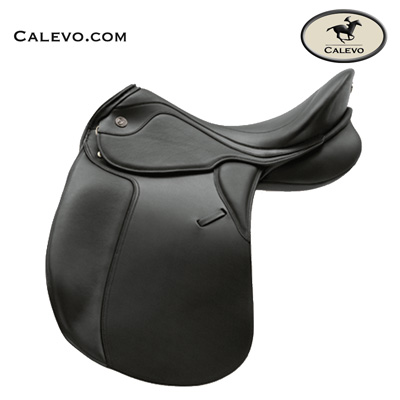 |
| Dressage saddle without stirrups |

Each brand of saddle is a little different and they start with different shapes. Some are very flat, some are very rounded or narrow. There are the brands sold in retails stores and there are the higher end custom saddle brands. Saddles can be purchased from retails
stores, saddle makers, saddle fitters and consignment shops. Buying a saddle from a consignment shop is a great way to go if you can find the proper fit for your horse. There's a place in New Hampshire called Pelham Saddlery. They have an amazing selection of used saddles and will come to you with saddles for a reasonable fee which is waved if you buy a saddle from them.
The saddles sold in retail stores - Collegiate, Pessoa, Stubben, Bates - while pricey, are less expensive than custom brands such as County, Black Country and about 100 more. A decent retail store saddle will cost between $1000 - $2000 and more. Custom saddles are about $5000 new. Used saddles are often not much less than new saddles, especially if they have been well maintained. It just depends on the saddle. A major difference, besides the custom fitting and leather quality, is the flocking or padding in the "panels" under the saddle where it rests against the horse's back. Flocking is usually wool (it can be synthetic) and looks like it just came off the sheep's back. It's reasonably adjustable. Many of the retail store brands use foam, memory foam or air bags to fill the panels. Some of the retail store brands can be converted from air bags to flocking to improve fit, comfort and adjustability.

The best thing to do when buying a saddle is to contact a saddle fitter. I bought all my saddles before doing this. It worked out fine but I may have made different choices if I had spoken to her first. My daughter's first saddle was an easy purchase. We bought a little saddle used from a friend when we leased her first pony. The price was right but the saddle was really too small for my daughter. When we bought her current pony, I had a woman from Dover Saddlery bring saddles to the barn to try on him. We decided to buy both jump and dressage saddles, primarily because there happened to be an extremely well priced dressage saddle on closeout that fit both Elizabeth and her pony. We also bought at Mattes Pad with shims to help correct the fit of the both saddles. Her jump saddle happens to be a Pessoa but that was just the one that fit the pony the best though we do need to use the correction pad to get the fit he needs.
When it was my turn to buy a saddle, I chose a Bates saddle after trying several other brands. The price was reasonable considering I don't own my own horse and I had read online that Bates saddles are easily converted from air pads to flocking. It's a really nice saddle and I love riding in it.
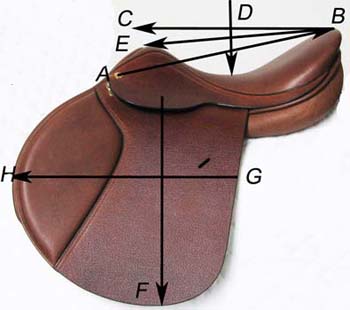
What do saddle sizes mean? There are two main sizes - the tree size/gullet size and the seat size. The tree which is the major structure of the saddle, can be made of wood, plastic, and other hard substances, fits the horse and can be narrow, wide, flat, round, curved. Every brand tends toward its own shape. The gullet plate is the piece that can be changed in adjustable saddles, usually starting with a medium which can be changed to be narrower or wider. As long as you buy a saddle that doesn't have an extreme tree shape, changing the gullet plate and amount of flocking can go a long way to getting a saddle to fit most horses. The seat size ranges from 15 for a tiny children's saddle to an 18 and up for large men. I'm 5'7" and ride in a 17" seat. My daughter is almost 5' tall and she rides in a 16.5" seat which has a little room for her to grow. The seat is measured by stretching a tape measure from the button to the center back of the seat (A to B in the diagram above). If you are looking at dressage saddles, the flap length may become a factor. The flap measurement is F in the diagram above.
About a month ago we met with a saddle fitter. This is different than the woman from Dover who came out to try saddles on our pony for us. The saddle fitter has taken an intensive course in England and she apprenticed to an American saddle fitting legend. Over time she has developed her own approach and I found it fascinating to watch her work. Her name is Diane Williams and if you are in the New England area she is wonderful. But wherever you are, there should be good saddle fitters available to you. This is a list of saddle fitters I found on the website of yet another custom saddle maker and Diane is on the list.
The saddle fitter will first palpate the horse's back and check for sensitivity and any issues the horse might be having. The she will put the saddle on your horse without anything under it. She can see if it's sitting to high or low. She will add or remove flocking, adjust the tree. I had her convert my Bates saddle from air to flocking and she got a great fit for the horse I ride. As it turned out, the inexpensive Circuit dressage saddle I bought my daughter was flocked with synthetic fiber fill. Diane pulled some out and replaced it with wool. Again, she was able to achieve an excellent fit. My daughter no longer needs to use the Mattes Pad with this saddle and has gone from hating riding in it to finding it extremely comfortable. Elizabeth's Pessoa jump saddle, while very comfortable, has a foam construction. There was nothing Diane could do for it so Elizabeth still needs to use the Mattes Pad to get a good fit on her pony which is fine, just a little annoying. We still like Elizabeth's jump saddle and considering she will outgrow this pony and the saddle in two years, we would not have considered anything custom made. I would, however, lean towards Bates saddles in the future. I really do love mine, the prices are good, the leather is high quality, the tree is adjustable and they can be converted to wool flocking giving you the best of everything.
Once you buy a saddle, remember you will need to buy stirrups, stirrup pads and stirrup leathers. Leathers come in a variety of lengths so if you are buying for a child, be sure to get short leathers. You can always punch more holes but it's nice if they fit right off the bat. Stirrups also come in sizes - widths. Just pay attention to what you are buying and ask for help. You will need a quilted saddle pad to go between the horse and the saddle to keep the saddle clean and to keep it from slipping around. And of course you will need a girth. We like fuzzy girths and prefer the Toklat girth for our jumping saddles. They are washable and comfortable for the horse. If you buy a dressage saddle, the girth will be 20 inches shorter than a jump girth, most likely black to match the saddle and the pad may need to be a bit bigger to accommodate the longer flaps. This is a good article on choosing the proper girth.
And now that you own a saddle, you need to take care of it! Saddles that are kept clean and conditioned will last a lifetime. In our house we clean saddles with glycerin soap, oil the billets, flaps and leathers and condition the seat with Lexol conditioner and oil. There are a ton of great products on the market. Some people prefer to clean with specially designed leather cleaners such as Effax Combi. Check out your local tack store and talk to a pony clubber to find out more about serious tack cleaning.
Congratulations on your huge purchase! Happy riding!
Kristie
Wednesday, February 5, 2014
I hate to sound silly, but what does my pony eat?

The most important component to a horse's diet is forage or roughage - grass or hay. Some horses in some climates live outside in grassy pastures all the time and graze. That is often their only form of sustenance. Lucky horses!
Because we have developed an artificial lifestyle for our horse athletes, we usually need to supplement their forage with concentrates - usually grain.
Succulents are the fun, "healthy" treats we like to give horses such as apples, carrots and fresh grass. They are a treat and should be given to reward good behavior and not given in excess.
And lastly, just like humans, our modern, artificially kept horses often take supplements - think of them as vitamins. Technically, supplements fall under concentrates but I order them separately and for beginners like us, they are easier to comprehend on their own.
So those are the basics. Now for the nitty gritty.
Horses have enormously long intestines and food takes about 3 days to make it's way through their bodies. It is important that they eat very little, very frequently. Horses need more food than ponies. Concentrates can be high in sugar and make ponies very excited - just like a child gets hyped up on cupcakes and ice cream at a birthday party.
According to my pony club daughter, roughage feed includes hay (varieties include timothy, clover, bermuda, alfalfa), grass, hay pellets, range cubes and sugar beet pulp. Hay pellets, range cubes and sugar beet pulp must be soaked before feeding. They expand in water so if you feed them dry, they will expand in the horse's stomach and can cause their stomach to explode. Which leads me to inform you of the fact that horses cannot vomit. Therefore, what goes in stays in unless removed surgically.
Horses eat hay all day and all night. They need this to keep their digestion moving. How much they eat depends on size. Hay is given at our barn first thing in the morning (6am?), they are then turned out with hay after their grain (if they get grain), given hay again around noon, 2:00, 5:00 and 9:00pm.
Horses have very sensitive systems. When there is a change in hay, they can react badly. Therefore, when any change is made, it should be made slowly. When we go away for a couple of days we travel with our own hay. If we are away for a week we may bring 2 bales and mix it with the new hay for a few days before changing over completely. Then we have to do the same thing in reverse upon our return home.
Concentrates are the means we use to control our horses weight and nutrition. Depending on your hay, your horse may not be getting all the nutrients he needs. There are a million different products out there to combat this problem. Many brands have comparable grain products and most barn managers know a reasonable amount about the grains they feed. Grain is usually fed twice a day, morning and late afternoon at our barn. Our pony didn't get any grain or supplements prior to living with us but we now feed him a tiny amount of MVP in the morning. MVP is a pellet form vitamin. It gives him some nutrition and something fun to eat in the morning. It also gives us something to mix with his supplements which come in powder form. We give him supplements for his digestion because he's kind of gassy. There are so many products and it is all incredibly confusing. Find someone who really knows what they are doing to help you figure out what your pony needs. He likely doesn't need anything!
On the topic of supplements, for people like us who have one pony and embrace convenience,
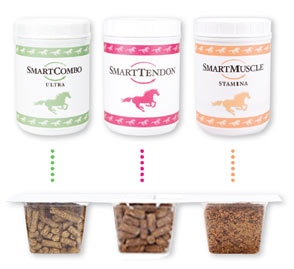 SmartPaks are a great thing. You can choose whatever supplements you feel your horse needs, determine the quantity (they are very helpful with this, professional vitamin salespeople) and whether you want them in the am or pm feed. The company then packages the supplements and ships them, usually free of charge, to your barn so whoever is doing the feeding at your barn just opens a pack each morning or evening and adds it in. If you instead choose to buy supplements in bulk you can make up your own packs using ziploc baggies. This is what we did with our first two ponies. It takes quite a bit of time and was tedious. SmarPaks are just easier for us. That said, not every supplement is available. Again, this is whatever works for you and your horse!
Another extremely important component of your equine diet is salt and water. Your horse should always have a salt lick in his stall. Take note of whether or not your horse is consuming the salt. And horses always need an ample supply of fresh water. This is something your barn should be providing throughout the day, especially in winter when the water buckets freeze over and need to be broken open with a hammer every few hours.
I'm sure you've heard the terms colic and founder but may not really know what they mean. Colic refers to a twisting of the intestines. With so much intestine floating around in their big horse bodies, horses are prone to this issue. How you feed them can contribute to or reduce the risk of colic. Horses should not eat concentrates just prior to or just after hard work. A little hay is OK but if you plan to ride around grain feeding time, ask the barn to hold the grain until after you ride. You should not ride for at least 30 minutes after grain is fed and should not give it to your horse after work until they are fully cooled down and have first consumed a little hay to get their digestive system going again. If the weather is good and you have time to graze your horse after riding, make sure that he is fully cooled down first. And be careful about how much grass you let him eat. Especially in the spring time the sugar content of the grass can be very high and too much sugar can cause him to founder.

What is founder? It is a condition of the hoof in which the coffin bone pulls away from the hoof. I don't fully understand it but this is a pretty good article if you would like to learn more. The thing you need to know is that too much sugar can seriously damage a horse's delicate system. It seems strange that sugar can cause huge issues in the hooves but that is exactly what happens. Horses' hooves are complicated and connected to their nervous systems. Unfortunately, once a horse has these hoof issues caused by founder, or laminitis, a different but equally horrifying hoof issue, there is little that can be done for them.
We have cared for three ponies. All three had significantly different diets and all three stayed nutritionally healthy. All three taught me something about feed. Our second pony had to have her hay soaked to remove dust - she had allergies. She also had monthly allergy shots. And she loved to eat. She is a prime example of ponies who just love to eat eat eat and it is up to us to help control that tendency. Our first pony on the other hand tended to be rather slim, unusual for a pony. Our current pony is super easy. I think he's pretty psyched to have morning grain. We don't give him afternoon grain and unlike the horses who know it's feeding time and start making noise around 3:00pm, he is happy to eat a little hay and do some work in exchange for a yummy treat. We've given different supplements to each pony as well. I'm not sure if any of them do anything but it makes me feel like a good caregiver. There are supplements out there for marsh behavior, for old age, to make their coat shiny and for anything else you can think of. They can be very expensive and some probably are worth giving.
As with everything, make sure you have someone who can help you with knowing what to feed your pony and when. That's the most important thing. If you can, spend a day helping out with feeding at your barn and learn from the people who work there. With 40 some horses at our barn it's fascinating to see all the different feed. Some people bring in their own hay because they like feeding alfalfa or timothy. Some horses have serious issues and need really special feed regiments. Some guys like ours just eat what they're given and seem to thrive on anything. Once again, horses are a lot like people.
If you care to read further on the topic, the pony club manuals have great information. The D Level Manual is a little shorter and more simplistic and starts on page 199. The C Level Manual is longer and goes into great detail starting on page 167. I highly recommend reading these books if you can find the time.
Happy eating!
Kristie
Thursday, January 23, 2014
My daughter is obsessed with horses. What books might she like to read?
This post has the most hits of any post I've written in the years I've been blogging so I thought it called for an update. I once again enlisted the help of my voracious reader of horse books, my daughter.
My daughter devours horse books. We've got them all. So I thought I'd try to give you a list with a little something for every age. Most of the comments come directly from my 11 1/2 year old daughter (now 13 1/2 as I update this blog) since I haven't read most of these books. Many we originally found at the library. The Wellesely Library has a great horse book list. Others we stumbled upon through Amazon recommendations. At the end I've included my favorites for grown ups. Some of them you will love wether you are a horse person or not. These are just plain good books. And reading a good book about horses will help any non-horse obsessed parent relate to their horse obsessed child a little more. All titles are linked to Amazon. Several of the books are only available as eBooks.
Early Readers
Keeker by Hadley Higginson - Pre-reader to early reader. Fun bed time stories.
Pony Pals by Jeanne Betancourt - These were written awhile back. There are at least 20 books. Similar to Keeker, pre - early reader.
Horse Diaries - 10 books, each written by a different author. The books are not related to each other, each being about a different horse. My daughter's favorites are #2 Bell's Star and #10 Darcy.
Elementary School
Misty of Chincoteague by Marguerite Henry - Marguerite Henry wrote many wonderful horse novels starting with this one which won the Newbery Award and was originally published in 1947. My daughter enjoyed all the Misty books but didn't really like her other books. Elizabeth recommends Misty of Chincoteague, Stormy: Misty's Foal and Misty's Twilight.
Wildwood Stables by Suzanne Weyn - There are 6 books in this Scholastic series and was the first series Elizabeth really got into. She thinks these are good for 3rd grade and up even though the main character is a 13 year old girl. It takes place in a hunter lesson barn.
Riding Freedom by Pam Munoz Ryan - This book is about an orphan girl who lives in an orphanage with a barn. Elizabeth says it's a really good book.
Running Horse Ridge Series by Heather Brooks - There are 3 books in this series appropriate for 4th grade and up. The main character's mother died when she was a baby and she lives with her dad. She's a dressage rider.
Chestnut Hill Series by Lauren Brooke - There are 6 books in this series which, while appropriate for 4th grade and up, is about bratty girls. This was not one of Elizabeth's favorites.
Middle School (Elizabeth read many of these in 5th grade)
Heartland Series by Lauren Brooke - There are 20 books in this series which Elizabeth says are more sad and realistic. The main character ages from 12 through high school during the series. Her family owns a horse rehab center so it's about caring for the horses.
Thoroughbred Series by Joanna Campbell - 59 books in the original series and 15 books in the sequel Ashleigh series. These are nice books about a girl whose family raises race horses. Appropriate for 4th grade and up.
Canterwood Crest Series by Jessica Burkhart - This series has 20 books and has been Elizabeth's favorite for awhile. It's a little Dana Hall (local boarding school with equine program) meets eventing. There is some basic teen content - romance, social stuff - but appropriate for 5th - 8th grade.
Timber Ridge Riders Series by Maggie Dana - So far there are 8 books in this series. Elizabeth wrote an email to the author last summer and she wrote back! The stories are about two 15 year old girls who are eventers.
Horses of Oak Valley Ranch Series by Jane Smiley - These are excellent books. There are 5 of them so far starting with The Georges and the Jewels. Jane Smiley is a Pulitzer Prize winning novelist who has always owned horses. Her editor asked her to write a young adult horse series since they are in such high demand. If only all series were of this caliber.
Indefensible by Rebecca Frankeny - I read this one to make sure it was OK for E. The writing isn't the best but even I enjoyed the story. It's about best friend eventers and their horses. Good for 5th grade and up but the older the girl the more she'll really get the story.
Bittersweet Farm by Barbara Morgenroth - There are 6 books in this series for horse lovers. There is definitely some boy girl stuff in these books so better for late middle school. The girls live on a horse farm, they start off doing hunters and eq then one ends up doing dressage. Elizabeth is hooked on these books.
The Shadows Breathe and The Shadows Fall by Kathleen Marentes - These books focus on training show horses, primarily Saddlebreds and Arabians. There are story lines which include horse abuse and drugging and people who work to stop the abuse.
Turning on a Dime by Maggie Dana - By the same author as the Timber Ridge Rider series, the main character travels through time to the Civil War era. Another favorite of Elizabeth's.
Show Jumping Dreams by Claire Svendsen - This is a series of over 20 books. They're all good and flow one to the next. A girl loses her sister and mother and ends up living with her father and accumulates 4 horses. There are some mean girl dynamics, boys in the later books.
Young Adult
Shadow Horse and Whirlwind by Alison Hart - These are definitely young adult books, again, according to Elizabeth who read them at age 11. The main character is a teenaged girl who ends up with a foster family who runs a rehab center for animals.
A Circuit by Georgina Bloomberg - Young adult, 8th grade through high school. I bought one of these for Elizabeth and made the mistake of not pre reading it. There was a scene with a keg party and some heavy boy girl stuff. My sons discovered the problem and we pulled the book.
Dancing with Horses by Toni Mari - There are currently 3 books in this series about a college aged dressage rider trying to make it to the North American Junior Young Rider Championship.
Alex and Alexander by Natalie Keller Reinert - This is a 4 book series about life at the race track. Alex, the main character, is in her mid-twenties.
Ambition by Natalie Keller Reinert - This is the only book currently available in this series focused on eventing. It takes place in Florida and the main character has always dreamed of having her own farm. She is trying to make her way as an event trainer.
Nadia and Winny by Rachel Eliker - This two book series (Headed for the Win and Road to the Ragalia) is about an event rider moving through the upper levels who changes places with her horse (think Freaky Friday, equine addition).
Great Books for High School Kids through Adults (ranked by how much I enjoyed them)
Horse Heaven by Jane Smiley - This is my all time favorite book. I reread it every year. I don't know if I love it because I love horses or just because it is such a great book. She writes about the horses as though they were human characters and it is awesome. It's about horse racing but really, it's about horses and the people who live with them. So well written and I learned a ton about horse racing and training.
Eighty-Dollar Champion by Elizabeth Letts - This is one of those random books I bought having no idea what it might be about. I wanted to read it to make sure it was appropriate for E and I got totally hooked. It's your typical - and true - underdog story about an amazing horse saved from the slaughter truck who went on to win many times at Madison Square Garden. Again, maybe I loved it because I love horses but I think anyone who loves a good, well written story would embrace this one.
Seabiscuit: An American Legend by Laura Hillenbrand - I'm guessing you've read the book or seen the movie. The book, as usual, is WAY better than the movie. Another great underdog story. Super well written non-fiction tale of the triple crown winning race horse.
Horse People by Michael Korda - Another book I randomly picked up because it had a horse on the cover. I was so pleasantly surprised by this book written by the editor-in-chief of Simon & Schuster. He tells numerous stories about his interactions with horses and horse people. A rider himself, he has some good stories to tell - from fox hunting in the South to riding in Central Park in New York. I've read criticism of this book for being more about wealthy people and their lifestyle rather than about the connection between people and their horses but I enjoyed it anyway. I think it's a horse book non-horse people can enjoy.
Falling for Eli by Nancy Shullins - This was a lovely memoir about how a horse can come into a life and completely change it. Nancy Shullins tells her story with sensitivity and humor. I don't know if a non-horse person would get as much out of this book but it would probably be a valuable read for anyone with a horse person in their life. It might give you some perspective on the depth of the relationship between horse and rider.
And that's my list! Happy reading for you and your horse obsessed child!
Kristie
My daughter devours horse books. We've got them all. So I thought I'd try to give you a list with a little something for every age. Most of the comments come directly from my 11 1/2 year old daughter (now 13 1/2 as I update this blog) since I haven't read most of these books. Many we originally found at the library. The Wellesely Library has a great horse book list. Others we stumbled upon through Amazon recommendations. At the end I've included my favorites for grown ups. Some of them you will love wether you are a horse person or not. These are just plain good books. And reading a good book about horses will help any non-horse obsessed parent relate to their horse obsessed child a little more. All titles are linked to Amazon. Several of the books are only available as eBooks.
Early Readers
Keeker by Hadley Higginson - Pre-reader to early reader. Fun bed time stories.
Pony Pals by Jeanne Betancourt - These were written awhile back. There are at least 20 books. Similar to Keeker, pre - early reader.
Horse Diaries - 10 books, each written by a different author. The books are not related to each other, each being about a different horse. My daughter's favorites are #2 Bell's Star and #10 Darcy.
Elementary School
Misty of Chincoteague by Marguerite Henry - Marguerite Henry wrote many wonderful horse novels starting with this one which won the Newbery Award and was originally published in 1947. My daughter enjoyed all the Misty books but didn't really like her other books. Elizabeth recommends Misty of Chincoteague, Stormy: Misty's Foal and Misty's Twilight.
Wildwood Stables by Suzanne Weyn - There are 6 books in this Scholastic series and was the first series Elizabeth really got into. She thinks these are good for 3rd grade and up even though the main character is a 13 year old girl. It takes place in a hunter lesson barn.
Riding Freedom by Pam Munoz Ryan - This book is about an orphan girl who lives in an orphanage with a barn. Elizabeth says it's a really good book.
Running Horse Ridge Series by Heather Brooks - There are 3 books in this series appropriate for 4th grade and up. The main character's mother died when she was a baby and she lives with her dad. She's a dressage rider.
Chestnut Hill Series by Lauren Brooke - There are 6 books in this series which, while appropriate for 4th grade and up, is about bratty girls. This was not one of Elizabeth's favorites.
Middle School (Elizabeth read many of these in 5th grade)
Heartland Series by Lauren Brooke - There are 20 books in this series which Elizabeth says are more sad and realistic. The main character ages from 12 through high school during the series. Her family owns a horse rehab center so it's about caring for the horses.
Thoroughbred Series by Joanna Campbell - 59 books in the original series and 15 books in the sequel Ashleigh series. These are nice books about a girl whose family raises race horses. Appropriate for 4th grade and up.
Canterwood Crest Series by Jessica Burkhart - This series has 20 books and has been Elizabeth's favorite for awhile. It's a little Dana Hall (local boarding school with equine program) meets eventing. There is some basic teen content - romance, social stuff - but appropriate for 5th - 8th grade.
Timber Ridge Riders Series by Maggie Dana - So far there are 8 books in this series. Elizabeth wrote an email to the author last summer and she wrote back! The stories are about two 15 year old girls who are eventers.
Horses of Oak Valley Ranch Series by Jane Smiley - These are excellent books. There are 5 of them so far starting with The Georges and the Jewels. Jane Smiley is a Pulitzer Prize winning novelist who has always owned horses. Her editor asked her to write a young adult horse series since they are in such high demand. If only all series were of this caliber.
Indefensible by Rebecca Frankeny - I read this one to make sure it was OK for E. The writing isn't the best but even I enjoyed the story. It's about best friend eventers and their horses. Good for 5th grade and up but the older the girl the more she'll really get the story.
Bittersweet Farm by Barbara Morgenroth - There are 6 books in this series for horse lovers. There is definitely some boy girl stuff in these books so better for late middle school. The girls live on a horse farm, they start off doing hunters and eq then one ends up doing dressage. Elizabeth is hooked on these books.
The Shadows Breathe and The Shadows Fall by Kathleen Marentes - These books focus on training show horses, primarily Saddlebreds and Arabians. There are story lines which include horse abuse and drugging and people who work to stop the abuse.
Turning on a Dime by Maggie Dana - By the same author as the Timber Ridge Rider series, the main character travels through time to the Civil War era. Another favorite of Elizabeth's.
Show Jumping Dreams by Claire Svendsen - This is a series of over 20 books. They're all good and flow one to the next. A girl loses her sister and mother and ends up living with her father and accumulates 4 horses. There are some mean girl dynamics, boys in the later books.
Young Adult
Shadow Horse and Whirlwind by Alison Hart - These are definitely young adult books, again, according to Elizabeth who read them at age 11. The main character is a teenaged girl who ends up with a foster family who runs a rehab center for animals.
A Circuit by Georgina Bloomberg - Young adult, 8th grade through high school. I bought one of these for Elizabeth and made the mistake of not pre reading it. There was a scene with a keg party and some heavy boy girl stuff. My sons discovered the problem and we pulled the book.
Dancing with Horses by Toni Mari - There are currently 3 books in this series about a college aged dressage rider trying to make it to the North American Junior Young Rider Championship.
Alex and Alexander by Natalie Keller Reinert - This is a 4 book series about life at the race track. Alex, the main character, is in her mid-twenties.
Ambition by Natalie Keller Reinert - This is the only book currently available in this series focused on eventing. It takes place in Florida and the main character has always dreamed of having her own farm. She is trying to make her way as an event trainer.
Nadia and Winny by Rachel Eliker - This two book series (Headed for the Win and Road to the Ragalia) is about an event rider moving through the upper levels who changes places with her horse (think Freaky Friday, equine addition).
Great Books for High School Kids through Adults (ranked by how much I enjoyed them)
Horse Heaven by Jane Smiley - This is my all time favorite book. I reread it every year. I don't know if I love it because I love horses or just because it is such a great book. She writes about the horses as though they were human characters and it is awesome. It's about horse racing but really, it's about horses and the people who live with them. So well written and I learned a ton about horse racing and training.
Eighty-Dollar Champion by Elizabeth Letts - This is one of those random books I bought having no idea what it might be about. I wanted to read it to make sure it was appropriate for E and I got totally hooked. It's your typical - and true - underdog story about an amazing horse saved from the slaughter truck who went on to win many times at Madison Square Garden. Again, maybe I loved it because I love horses but I think anyone who loves a good, well written story would embrace this one.
Seabiscuit: An American Legend by Laura Hillenbrand - I'm guessing you've read the book or seen the movie. The book, as usual, is WAY better than the movie. Another great underdog story. Super well written non-fiction tale of the triple crown winning race horse.
Horse People by Michael Korda - Another book I randomly picked up because it had a horse on the cover. I was so pleasantly surprised by this book written by the editor-in-chief of Simon & Schuster. He tells numerous stories about his interactions with horses and horse people. A rider himself, he has some good stories to tell - from fox hunting in the South to riding in Central Park in New York. I've read criticism of this book for being more about wealthy people and their lifestyle rather than about the connection between people and their horses but I enjoyed it anyway. I think it's a horse book non-horse people can enjoy.
Falling for Eli by Nancy Shullins - This was a lovely memoir about how a horse can come into a life and completely change it. Nancy Shullins tells her story with sensitivity and humor. I don't know if a non-horse person would get as much out of this book but it would probably be a valuable read for anyone with a horse person in their life. It might give you some perspective on the depth of the relationship between horse and rider.
And that's my list! Happy reading for you and your horse obsessed child!
Kristie
Saturday, January 18, 2014
Blanketing: Why does the pony have more clothes than I do?
****Note: The links in this post aren't really recommendations. At the bottom I will give you a run down on what I know of brands and places to buy them but I am putting links with lots of the items I mention just so you have a reference point for what I'm talking about.

Living in New England, blankets are a pretty serious topic. Everyone kind of develops their own system and brand preferences and you will too. However, we all need a jumping off point.
Last winter we were at a barn that really took care of the blanketing for us. Our leased pony came with blankets and we didn't think about it too much. Heading into winter this year we had a new pony and no blankets. I didn't even know where to begin.
One big issue is that pony sizes are hard to come by so where horses have the option of buying a set from one brand and having all the layers work together, ponies end up with a bit of a hodge podge. Then there is the issue of where to buy blankets. I like to buy from my local tack shop. It saves shipping costs and means I can try things out and exchange them if they don't work. This is really important with blankets - just as it is with saddles and bridles. But when it comes to ponies, the local shop won't always have what you need. Sometimes, they can't even order it! In that case, Just for Ponies is the place to go. Even then you may not find what you need.
So what do you need? It depends on where you live but if temps get down to 20 degrees in your area you should, at a minimum, have a turnout sheet, a cooler and a heavy. A turnout sheet is the horse version of a lightweight rain jacket. It can be put on when it's 50 and raining to keep the horse dry. We also use ours overnight before a show so the clean pony can't get dirty when he rolls. A cooler can take many forms but is essentially a cotton or fleece layer that can be put on either to keep a damp pony from catching a chill or as a layering piece under a turnout sheet. So if it's 30 and rainy you may put a fleece cooler under the turnout. Turnout sheets also come in medium and heavy fill powers so the heavy is like a super warm North Face down coat, usually with 300 grams of fill. The medium is just a little lighter, usually around 200 grams of fill. Both should be waterproof. Many, like the Smartpak Deluxe, can be ordered in any or all of the 3 weights. Sometimes you find you can order your blankets in a set which gives you more layering options rather than a heavy weight turn out. I'm surprised by how much we use both the heavy and the medium. Sometimes one of them gets wet so it's nice to have the other one available. If you have a horse you are likely to have for a long time it's worth have a good selection of blankets and sheets.

If you live in a cool climate, a quarter sheet is a really good idea. I made the one in this photo from a blanket called a Chappy Wrap. A quarter sheet is soft and warm and is used to keep the horse warm while riding on a really cold day. It has side extensions that go under the saddle flaps and meet in front of the saddle where they velcro to keep the sheet in place while you ride.
There are several other types of blankets and sheets out there. Typically if someone refers to a sheet they mean the lightweight turnout. However, there are also stable sheets. These are not waterproof and are more appropriate for a life indoors. It's nice to have a stable sheet for trailering or for putting on when they come in on a rainy day so the turnout can hang and dry. It can also be a good layering piece. The Baker Blanket is an equine staple and we have 2. They are great for layering and come in wool or cotton. We have cotton which is easy to take home and run through the washing machine (more on cleaning horse clothes in a minute). Another good item to have in your equine wardrobe is the anti-sweat sheet. This is similar to a cooler and is used to keep a sweaty horse from getting chilled. It soaks up sweat but is like netting so it allows air in to dry the horse while keeping him warm. There are certainly other items out there including dress sheets. Some people like to have a separate set of blankets they use only for shows when the horse is clean and they want to look good. They usually have a nicer trim and are embroidered with a monogram. Most tack shops also offer a line of custom sheets and coolers.
If you plan to clip your horse's neck or if you live in a severely cold climate, a neck cover - or a heavy weight blanket with a high neck - might be necessary. If you want a neck cover it is best to buy one that goes with your sheet. Again, with ponies, this is a tall order. I did end up finding one that fit our pony but then the sheet of the same brand didn't work with it. Fortunately, it does work with our medium and our heavy. Eventually I'll get around to adding rings to our lightweight so it will work with that too but it still isn't ideal. If you can, try to buy them together. There are a few different systems out there but for the most part they have velcro or hooks on the underside of the neck cover that attach to the neck edge of the sheet either through metal rings or belt loops. This is one of those things that's nice to buy at a tack shop so you can see how it works before making your choice.
 To order blankets you will need an idea of what size your horse will wear. The size corresponds to a measurement you can take. Using a soft tape measure, start at the center of the chest and measure to the tail. This is really only a starting point. Our pony measures 63 inches but he has short legs and a big barrel. Some blankets are long on him and a 66 fits better than a 63. Like people clothes, some brands run big and others run small. Some run in 2 inch increments, others in 3 inch. Some have pony sizes and some do not. Once you find a blanket or sheet that fits really well, take it with you when shopping for sheets and use it as a comparison. Take notes on which brands and sizes fit well and keep it on your cell phone so any time you are out shopping you can remember if it was Weatherbeata or SmartPak that ran big for your guy.
Now that you have a wardrobe, I suppose you'd like to know how to use it. This is something that just takes time and experimentation. The goal is to keep the horse warm without causing him to sweat. You don't want to over blanket. If a horse gets sweaty and gets his blanket wet he can catch a chill as the temperature drops. This is all pretty basic common sense. If your horse has a heavy winter coat he won't need as much clothing as a thoroughbred with no hair. If you do a full clip, you need to put on extra clothes.
Clipping may be another post but you may have no idea what I'm talking about so I'll try to explain briefly. When you work a horse for an hour, even on a cold day, they can work up a sweat. Before you can put the horse in his stall for the night, he must be completely dry. You can't blanket a wet horse for the night. If your horse is particularly fuzzy it can take a very long time walking him around to cool him out - we're talking about an additional 45 minutes. So, you can shave off some hair to reduce sweating as well as the time it takes to cool down. We full body clipped Pumba in October but it's pretty much fully grown out now. For the coldest part of the winter we are just clipping him under his neck, across his chest and belly just past the girth. You have to experiment with your own horse and the amount and type of riding you do to know how much clipping is optimal for you. Follow this link for some information on clipping.
With blankets and clipping come blanket rub, yet another thing I had no idea about until one day I noticed an area on our pony where the fur had literally "rubbed" away. Even really nice, well fitted blankets can give a horse rub. On a chestnut horse it looks like a small patch of grayish dirt. It's pretty easy to see on a light grey pony - it's typically dark grey against their light hair. The real issue with allowing rub to continue is that eventually, all the hair in the affected area will wear away and the blanket will then begin to rub and irritate the skin. I guess you could think of it like a bed sore. The chest area is usually the worst and there are a few products on the market to help prevent rub. Stretchies are usually the first line of defense. You can buy a full body stretchy or one that covers the chest area and which many people refer to as a "bra". Another option, and definitely a brand recommendation, is the Bossy Big which completely eradicated rub from the portion of our pony that it covers. The stretchy just didn't work for us but the bib is a life saver. We find that our Baker Blanket causes more rub than a fleece cooler if we need to layer - we recently had a stretch of sub-zero temperatures that had us layering under Pumba's heavy! We also find that rotating blankets helps since different blankets fit a little differently and put pressure in different spots. Most sheets have a nice slippery layer against the pony to minimize friction but some horses are just prone to rub anyway. We find our Amigo heavy and SmartPak Deluxe medium are really good sheets and don't cause much rub.
Horses are dirty and love to roll in the mud so your pony clothes will get filthy. Our barn sends sheets out at the end of winter for cleaning. You can also have older sheets waterproofed if they are starting to leak though it seems as though once they start leaking, they never stop. We sometimes take blankets to Dover Saddlery to send out for cleaning and I know there are other places that do it as well. Dover is just really convenient for us. I do wash coolers at home in my washing machine. We usually put duct tape around the metal parts to preserve our washer and dryer. Be prepared if you wash blankets at home you will find horse hair in everything you own! It's probably not a good idea to wash sheets at home for several reasons. Firstly, they are seriously dirty. Secondly, you may damage their waterproof finish. Thirdly, medium and heavy weight turnouts are super big and may overload your washer. Having them cleaned once a year at the end of the season is usually sufficient.
So, in case you couldn't tell already, my favorite places to shop are Dover Saddlery, SmartPak and Just for Ponies. We are super super super lucky to live in Wellesley, Massachusetts which boasts brick and mortar Dover and SmartPak stores. We have even been so lucky as to find blankets in the discount attic at SmartPak and basement at Dover. We love the SmartPak brand blankets. Weatherbeeta tends to make sheets with the most fun fabrics. Horsewear Ireland makes both the Amigo and Rambo brands which are pretty much top of the line in both price and design. We got an Amigo from a friend and it is super nice. It fits really well and when I'm out shopping I notice both brands take advantage the most innovative design and textiles. If you can afford it, I think they are worth the money ($400 for a Rambo heavy vs. $200 for a SmartPak heavy). But I am just about as happy with our SmartPak sheets so you don't HAVE to spend more. I do think Horsewear does a better job with neck covers so if you intend to use a neck cover frequently you might really think about splurging. Also take into account how long you will have the particular horse you are clothing. It's rare that the next horse fits in the same blankets. If you are leasing for a year, you might not go for the extensive wardrobe of high end blankets. If, however, this is a young, forever horse, I would buy blankets that really fit well and will perform for a long time.
SmartPak has some great resources on their website including a Blanketing 101 article and a Blanketing Glossary. Both are worth a look if you still have questions.
Have fun dressing your pony! -
Kristie
Living in New England, blankets are a pretty serious topic. Everyone kind of develops their own system and brand preferences and you will too. However, we all need a jumping off point.
Last winter we were at a barn that really took care of the blanketing for us. Our leased pony came with blankets and we didn't think about it too much. Heading into winter this year we had a new pony and no blankets. I didn't even know where to begin.
One big issue is that pony sizes are hard to come by so where horses have the option of buying a set from one brand and having all the layers work together, ponies end up with a bit of a hodge podge. Then there is the issue of where to buy blankets. I like to buy from my local tack shop. It saves shipping costs and means I can try things out and exchange them if they don't work. This is really important with blankets - just as it is with saddles and bridles. But when it comes to ponies, the local shop won't always have what you need. Sometimes, they can't even order it! In that case, Just for Ponies is the place to go. Even then you may not find what you need.
So what do you need? It depends on where you live but if temps get down to 20 degrees in your area you should, at a minimum, have a turnout sheet, a cooler and a heavy. A turnout sheet is the horse version of a lightweight rain jacket. It can be put on when it's 50 and raining to keep the horse dry. We also use ours overnight before a show so the clean pony can't get dirty when he rolls. A cooler can take many forms but is essentially a cotton or fleece layer that can be put on either to keep a damp pony from catching a chill or as a layering piece under a turnout sheet. So if it's 30 and rainy you may put a fleece cooler under the turnout. Turnout sheets also come in medium and heavy fill powers so the heavy is like a super warm North Face down coat, usually with 300 grams of fill. The medium is just a little lighter, usually around 200 grams of fill. Both should be waterproof. Many, like the Smartpak Deluxe, can be ordered in any or all of the 3 weights. Sometimes you find you can order your blankets in a set which gives you more layering options rather than a heavy weight turn out. I'm surprised by how much we use both the heavy and the medium. Sometimes one of them gets wet so it's nice to have the other one available. If you have a horse you are likely to have for a long time it's worth have a good selection of blankets and sheets.
If you live in a cool climate, a quarter sheet is a really good idea. I made the one in this photo from a blanket called a Chappy Wrap. A quarter sheet is soft and warm and is used to keep the horse warm while riding on a really cold day. It has side extensions that go under the saddle flaps and meet in front of the saddle where they velcro to keep the sheet in place while you ride.
There are several other types of blankets and sheets out there. Typically if someone refers to a sheet they mean the lightweight turnout. However, there are also stable sheets. These are not waterproof and are more appropriate for a life indoors. It's nice to have a stable sheet for trailering or for putting on when they come in on a rainy day so the turnout can hang and dry. It can also be a good layering piece. The Baker Blanket is an equine staple and we have 2. They are great for layering and come in wool or cotton. We have cotton which is easy to take home and run through the washing machine (more on cleaning horse clothes in a minute). Another good item to have in your equine wardrobe is the anti-sweat sheet. This is similar to a cooler and is used to keep a sweaty horse from getting chilled. It soaks up sweat but is like netting so it allows air in to dry the horse while keeping him warm. There are certainly other items out there including dress sheets. Some people like to have a separate set of blankets they use only for shows when the horse is clean and they want to look good. They usually have a nicer trim and are embroidered with a monogram. Most tack shops also offer a line of custom sheets and coolers.
If you plan to clip your horse's neck or if you live in a severely cold climate, a neck cover - or a heavy weight blanket with a high neck - might be necessary. If you want a neck cover it is best to buy one that goes with your sheet. Again, with ponies, this is a tall order. I did end up finding one that fit our pony but then the sheet of the same brand didn't work with it. Fortunately, it does work with our medium and our heavy. Eventually I'll get around to adding rings to our lightweight so it will work with that too but it still isn't ideal. If you can, try to buy them together. There are a few different systems out there but for the most part they have velcro or hooks on the underside of the neck cover that attach to the neck edge of the sheet either through metal rings or belt loops. This is one of those things that's nice to buy at a tack shop so you can see how it works before making your choice.

Now that you have a wardrobe, I suppose you'd like to know how to use it. This is something that just takes time and experimentation. The goal is to keep the horse warm without causing him to sweat. You don't want to over blanket. If a horse gets sweaty and gets his blanket wet he can catch a chill as the temperature drops. This is all pretty basic common sense. If your horse has a heavy winter coat he won't need as much clothing as a thoroughbred with no hair. If you do a full clip, you need to put on extra clothes.
Clipping may be another post but you may have no idea what I'm talking about so I'll try to explain briefly. When you work a horse for an hour, even on a cold day, they can work up a sweat. Before you can put the horse in his stall for the night, he must be completely dry. You can't blanket a wet horse for the night. If your horse is particularly fuzzy it can take a very long time walking him around to cool him out - we're talking about an additional 45 minutes. So, you can shave off some hair to reduce sweating as well as the time it takes to cool down. We full body clipped Pumba in October but it's pretty much fully grown out now. For the coldest part of the winter we are just clipping him under his neck, across his chest and belly just past the girth. You have to experiment with your own horse and the amount and type of riding you do to know how much clipping is optimal for you. Follow this link for some information on clipping.
With blankets and clipping come blanket rub, yet another thing I had no idea about until one day I noticed an area on our pony where the fur had literally "rubbed" away. Even really nice, well fitted blankets can give a horse rub. On a chestnut horse it looks like a small patch of grayish dirt. It's pretty easy to see on a light grey pony - it's typically dark grey against their light hair. The real issue with allowing rub to continue is that eventually, all the hair in the affected area will wear away and the blanket will then begin to rub and irritate the skin. I guess you could think of it like a bed sore. The chest area is usually the worst and there are a few products on the market to help prevent rub. Stretchies are usually the first line of defense. You can buy a full body stretchy or one that covers the chest area and which many people refer to as a "bra". Another option, and definitely a brand recommendation, is the Bossy Big which completely eradicated rub from the portion of our pony that it covers. The stretchy just didn't work for us but the bib is a life saver. We find that our Baker Blanket causes more rub than a fleece cooler if we need to layer - we recently had a stretch of sub-zero temperatures that had us layering under Pumba's heavy! We also find that rotating blankets helps since different blankets fit a little differently and put pressure in different spots. Most sheets have a nice slippery layer against the pony to minimize friction but some horses are just prone to rub anyway. We find our Amigo heavy and SmartPak Deluxe medium are really good sheets and don't cause much rub.
Horses are dirty and love to roll in the mud so your pony clothes will get filthy. Our barn sends sheets out at the end of winter for cleaning. You can also have older sheets waterproofed if they are starting to leak though it seems as though once they start leaking, they never stop. We sometimes take blankets to Dover Saddlery to send out for cleaning and I know there are other places that do it as well. Dover is just really convenient for us. I do wash coolers at home in my washing machine. We usually put duct tape around the metal parts to preserve our washer and dryer. Be prepared if you wash blankets at home you will find horse hair in everything you own! It's probably not a good idea to wash sheets at home for several reasons. Firstly, they are seriously dirty. Secondly, you may damage their waterproof finish. Thirdly, medium and heavy weight turnouts are super big and may overload your washer. Having them cleaned once a year at the end of the season is usually sufficient.
So, in case you couldn't tell already, my favorite places to shop are Dover Saddlery, SmartPak and Just for Ponies. We are super super super lucky to live in Wellesley, Massachusetts which boasts brick and mortar Dover and SmartPak stores. We have even been so lucky as to find blankets in the discount attic at SmartPak and basement at Dover. We love the SmartPak brand blankets. Weatherbeeta tends to make sheets with the most fun fabrics. Horsewear Ireland makes both the Amigo and Rambo brands which are pretty much top of the line in both price and design. We got an Amigo from a friend and it is super nice. It fits really well and when I'm out shopping I notice both brands take advantage the most innovative design and textiles. If you can afford it, I think they are worth the money ($400 for a Rambo heavy vs. $200 for a SmartPak heavy). But I am just about as happy with our SmartPak sheets so you don't HAVE to spend more. I do think Horsewear does a better job with neck covers so if you intend to use a neck cover frequently you might really think about splurging. Also take into account how long you will have the particular horse you are clothing. It's rare that the next horse fits in the same blankets. If you are leasing for a year, you might not go for the extensive wardrobe of high end blankets. If, however, this is a young, forever horse, I would buy blankets that really fit well and will perform for a long time.
SmartPak has some great resources on their website including a Blanketing 101 article and a Blanketing Glossary. Both are worth a look if you still have questions.
Have fun dressing your pony! -
Kristie
Subscribe to:
Posts (Atom)